
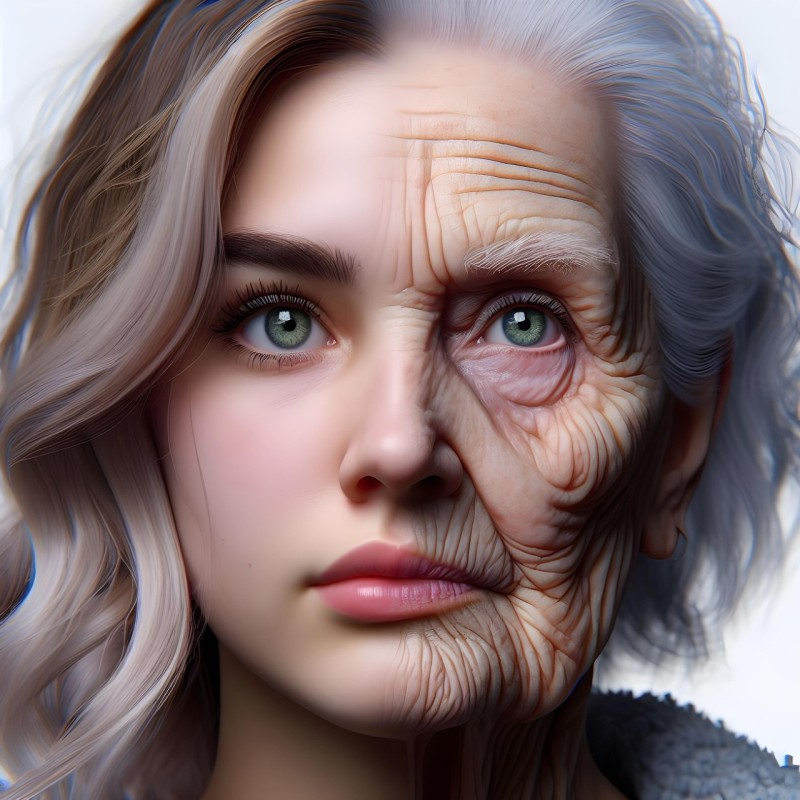
Many people spend time and money trying to slow down visible signs of aging. Skincare products, treatments, and healthy habits can all help, but two major factors often get overlooked: stress and sleep. Both have a huge impact on how the skin ages over time.
It is not just about feeling tired or run down. Chronic stress and poor sleep quality can speed up wrinkles, dullness, and loss of firmness. They affect your skin on a cellular level by increasing inflammation, slowing down repair, and interrupting how your skin renews itself overnight. The good news is that understanding this connection gives you more tools to protect your skin for the long run.
How Stress Ages Your Skin
Stress is not just in your head. When you feel stressed, your body produces higher levels of cortisol and other stress hormones. Short bursts of stress are normal and even helpful, but when stress becomes constant, it causes trouble for your skin.
High cortisol levels can weaken the skin’s barrier, which makes it lose moisture faster and become more sensitive to irritants. It can also trigger inflammation, which breaks down collagen and elastin, the proteins that keep skin smooth and firm. Over time, this process leads to fine lines, wrinkles, and sagging appearing sooner than they should.
Stress can also cause habits that harm the skin. Poor diet, forgetting skincare steps, or picking at breakouts are common when you feel overwhelmed.
The Role Of Poor Sleep In Skin Aging
Sleep is when your body repairs itself, and your skin is no exception. During deep sleep, blood flow to the skin increases, collagen is rebuilt, and damage from the day is repaired. If you do not get enough sleep, or if your sleep is low quality, this nightly renewal process is interrupted.
Studies have shown that people who sleep well tend to have smoother, more hydrated skin and fewer visible signs of aging. Poor sleep, on the other hand, can lead to a dull complexion, dark circles, and increased fine lines. One bad night will not do lasting damage, but chronic sleep issues add up over time.
Inflammation And Free Radicals
Both stress and lack of sleep cause inflammation in the body. Inflammation produces free radicals, which are unstable molecules that damage cells, including skin cells. This damage speeds up the breakdown of collagen and makes the skin more prone to fine lines and uneven texture.
Antioxidants in your skincare and diet help counter this damage, but your body needs proper rest and stress relief to keep inflammation in check.
Your Skin And The Body’s Clock
Your skin follows a natural daily rhythm known as the circadian rhythm. During the day, it focuses on protection. At night, it switches to repair mode. This is why overnight products can be so effective, they work with your skin’s natural renewal cycle.
Chronic stress and poor sleep can throw off this rhythm. If you stay up late under bright lights, work odd hours, or do not get deep, uninterrupted sleep, your skin’s repair window shrinks. Over time, this shows up as dullness, slower healing, and more noticeable signs of aging.
How To Protect Your Skin From Stress And Sleep Deprivation
The goal is not to erase stress completely, which is impossible. But you can take steps to manage it and protect your skin in the process.
Build A Calming Routine
Small habits make a difference. Try winding down with a relaxing ritual at night, like gentle stretching, reading, or deep breathing. These activities signal to your body that it is time to switch from alert mode to rest mode.
Limiting screen time before bed helps too. Blue light from phones and laptops can confuse your circadian rhythm and delay melatonin production, which makes it harder to fall asleep.
Support Skin With The Right Ingredients
When your skin is stressed, focus on gentle products that help repair and strengthen the barrier. Look for moisturizers with ceramides, fatty acids, and peptides. Ingredients like ghk-cu copper peptides are known to help support collagen production and skin renewal without causing irritation.
Hydration is also key. A well-hydrated barrier is better able to handle daily stress and bounce back overnight. Use a gentle cleanser and layer a hydrating serum if needed.
Prioritize Sleep Hygiene
Good sleep hygiene means creating a bedtime routine that helps you fall asleep faster and sleep more deeply. Keep your bedroom cool and dark, go to bed at the same time each night, and avoid caffeine in the evening.
If you struggle with winding down, consider relaxing activities like herbal tea or journaling. Even small changes to your routine can improve sleep quality over time.
Eat Foods That Fight Stress And Inflammation
Your diet also plays a role. Eating antioxidant-rich foods, like leafy greens, berries, and nuts, can help fight the effects of free radicals. Omega-3s from fish or seeds support skin health too.
Staying hydrated during the day helps your skin stay plump and better able to handle daily stressors.
Stay Consistent
When it comes to fighting signs of aging caused by stress and lack of sleep, consistency is important. One night of poor sleep or a bad week at work will not ruin your skin. It is the habits you follow every day that add up to lasting results.
Check in with yourself often. If you notice that stress is creeping up or sleep quality is dipping, adjust your routine. Protecting your skin starts with protecting your overall health.
How Daily Choices Keep Skin Looking Younger
Great skincare is about more than what you put on your face. Managing stress and getting enough sleep are two of the most powerful, free tools you have to protect your skin from premature aging.
When you pair healthy lifestyle habits with good products, like barrier-supporting moisturizers and gentle actives, you help your skin stay resilient. Over time, these small daily choices show up as smoother texture, fewer fine lines, and a healthy, natural glow.